Grow A Beautiful And Bountiful Garden With Lavender Companion Vegetable Plants
Introduction
Lavender is a beautiful and fragrant herb that is often grown in gardens for its ornamental value. However, lavender can also be a valuable companion plant for vegetables, as it can help to deter pests, attract pollinators, and improve the overall health of your garden.
In this blog post, we will discuss the benefits of companion planting with lavender, and we will provide a list of some of the best vegetable plants to grow with lavender. We will also discuss how to plant and care for lavender companion plants, so that you can create a beautiful and productive garden.
Benefits of Companion Planting with Lavender
There are many benefits to companion planting with lavender. Here are a few of the most important benefits:
- Deters pests. Lavender has a strong scent that can repel pests such as cabbage moths, carrot flies, and aphids. This can help to protect your vegetable plants from damage.
- Attracts pollinators. Lavender is a popular flower with pollinators such as bees and butterflies. These pollinators are essential for the pollination of vegetable plants, which can lead to a better harvest.
- Improves soil health. Lavender has a deep root system that can help to improve the drainage and aeration of the soil. This can create a more favorable environment for vegetable plants to grow.
- Enhances flavor. The scent of lavender can also help to enhance the flavor of vegetables that are grown nearby. For example, some people believe that lavender can improve the taste of tomatoes and cucumbers.
Best Vegetable Plants to Grow with Lavender
There are many different vegetable plants that can be grown with lavender. Here are a few of the most popular options:
- Brassicas: Brassicas such as broccoli, cabbage, and cauliflower are particularly well-suited for companion planting with lavender. Lavender can help to deter pests that are common to brassicas, such as cabbage moths and aphids.
- Onions: Onions are another good choice for companion planting with lavender. Lavender can help to improve the flavor of onions, and it can also help to deter pests such as onion flies.
- Tomatoes: Tomatoes are a popular vegetable that can benefit from companion planting with lavender. Lavender can help to attract pollinators to tomatoes, which can lead to a better harvest.
- Herbs: Lavender can also be grown with other herbs, such as rosemary, thyme, and oregano. These herbs share similar growing conditions with lavender, and they can help to deter pests and attract pollinators.
How to Plant and Care for Lavender Companion Plants
When planting lavender companion plants, it is important to choose a location that receives full sun and has well-drained soil. Lavender is a drought-tolerant plant, so it does not require a lot of water. However, it is important to water lavender plants regularly during the first year of growth.
Lavender companion plants do not require a lot of fertilizer. In fact, too much fertilizer can actually harm lavender plants. If you do choose to fertilize lavender companion plants, use a balanced fertilizer that is low in nitrogen.
Conclusion
Lavender is a beautiful and fragrant herb that can be a valuable asset to any garden. When companion planted with vegetables, lavender can help to deter pests, attract pollinators, and improve the overall health of your garden.
If you are looking for ways to improve the productivity and beauty of your garden, consider companion planting with lavender. You will be glad you did!
Lavender is a beautiful and fragrant herb that can be used in a variety of ways, from cooking to making potpourri. But did you know that lavender can also be a great companion plant for vegetables?
Lavender can help to attract pollinators, such as bees and butterflies, which can help to improve the pollination of your vegetable plants. It can also help to repel pests, such as aphids and cabbage moths.
Some of the best vegetable plants to grow with lavender include:
- Tomatoes: Lavender can help to improve the flavor of tomatoes.
- Lettuce: Lavender can help to deter pests from lettuce plants.
- Brassicas: Lavender can help to repel cabbage moths from broccoli, cauliflower, and other brassicas.
- Onions: Lavender can help to improve the flavor of onions.
- Herbs: Lavender can be grown alongside other herbs, such as oregano, thyme, and rosemary.
If you're looking for more information about lavender companion vegetable plants, I recommend visiting Gardenia Inspiration. This website has a comprehensive list of plants that can be grown with lavender, as well as information about the benefits of companion planting.
FAQ of lavender companion vegetable plants
Q1: What are the benefits of companion planting lavender with vegetables?
A: Lavender is a great companion plant for vegetables because it can help to deter pests, attract pollinators, and improve the overall health of your garden. The strong scent of lavender can repel pests such as cabbage moths, beetles, and aphids. Lavender also attracts pollinators such as bees and butterflies, which can help to pollinate your vegetables and improve their yields. Additionally, lavender can help to improve the drainage and aeration of the soil, which can benefit the growth of your vegetables.
Q2: What vegetables grow best with lavender?
A: Some of the best vegetables to grow with lavender include:
- Chamomile: Chamomile is a flowering herb that is known for its calming properties. It can help to deter pests and attract pollinators, making it a good companion plant for lavender.
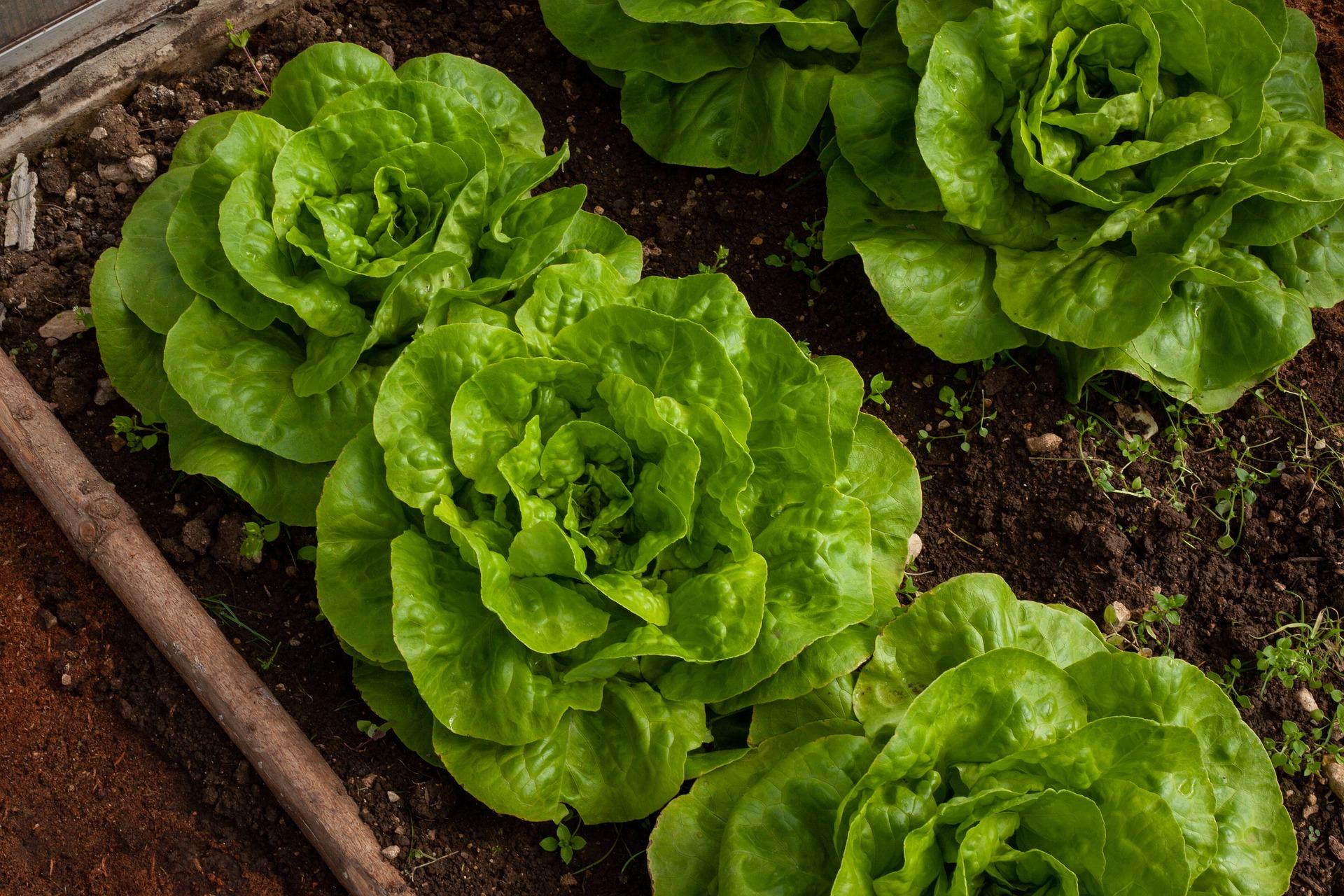
- Lettuce: Lettuce is a cool-season crop that is susceptible to pests such as aphids and slugs. Lavender can help to deter these pests, making it a good companion plant for lettuce.
- Brassicas: Brassicas such as broccoli, cabbage, and cauliflower are susceptible to pests such as cabbage moths and aphids. Lavender can help to deter these pests, making it a good companion plant for brassicas.

- Onions: Onions have a strong scent that can repel pests such as thrips and root maggots. Lavender can help to enhance the onion's scent, making it an even more effective pest deterrent.
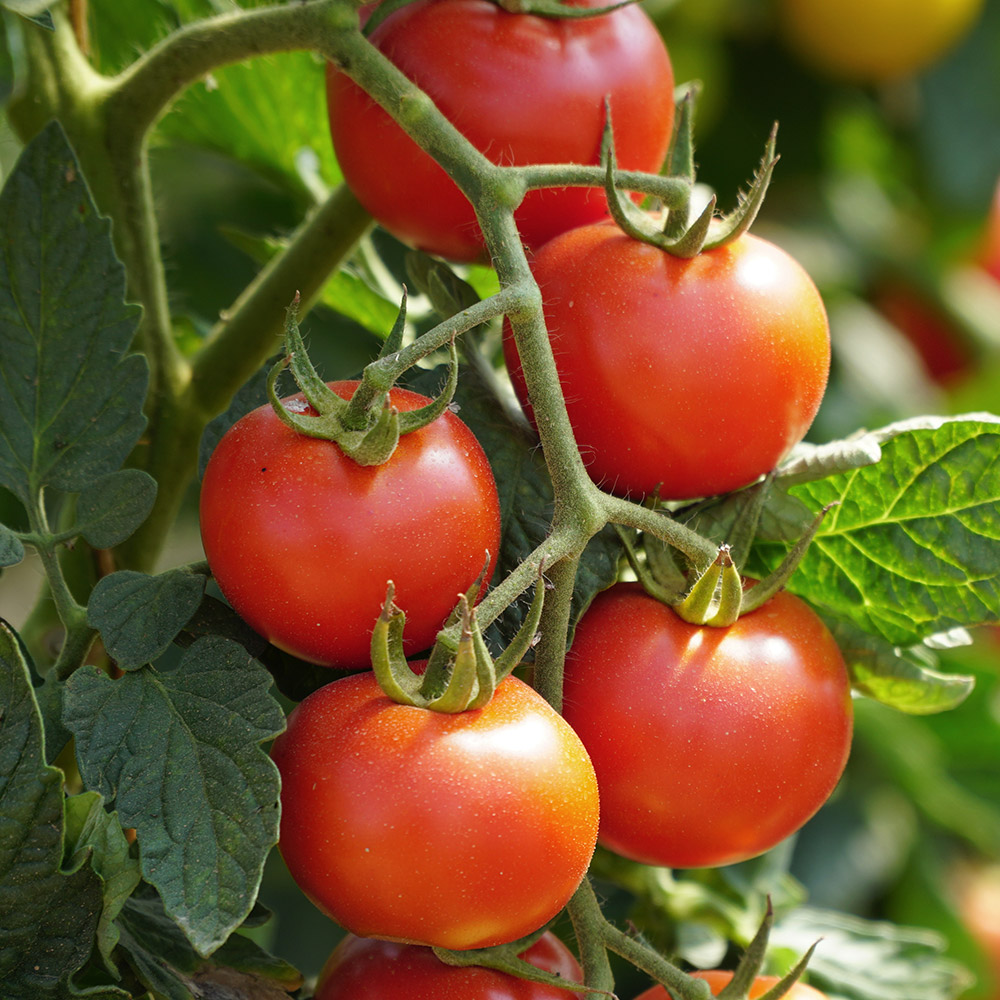
- Tomatoes: Tomatoes are susceptible to pests such as tomato hornworms and whiteflies. Lavender can help to deter these pests, making it a good companion plant for tomatoes.
Q3: How far apart should lavender and vegetables be planted?
A: The ideal spacing between lavender and vegetables depends on the size of the plants. For example, you will need to plant lavender and tomatoes about 18 inches apart, while lavender and lettuce can be planted about 12 inches apart.
Q4: What are some common mistakes to avoid when companion planting lavender with vegetables?
A: Some common mistakes to avoid when companion planting lavender with vegetables include:
- Planting lavender too close to vegetables: Lavender can be a bit of a bully, so it's important to plant it far enough away from vegetables that it doesn't crowd them out.
- Planting lavender in the wrong soil: Lavender prefers well-drained, sandy soil. If you plant it in heavy, clay soil, it will be more prone to root rot.
- Not watering lavender enough: Lavender is a Mediterranean plant that is used to dry, hot conditions. However, it still needs to be watered regularly, especially during the first year after planting.
Q5: Is lavender a good companion plant for all vegetables?
A: No, lavender is not a good companion plant for all vegetables. For example, lavender should not be planted near beans, as the beans will stunt the growth of the lavender. Additionally, lavender should not be planted near carrots, as the lavender's scent can actually repel carrots.
Image of lavender companion vegetable plants
5 different images of "lavender companion vegetable plants" from Pinterest:
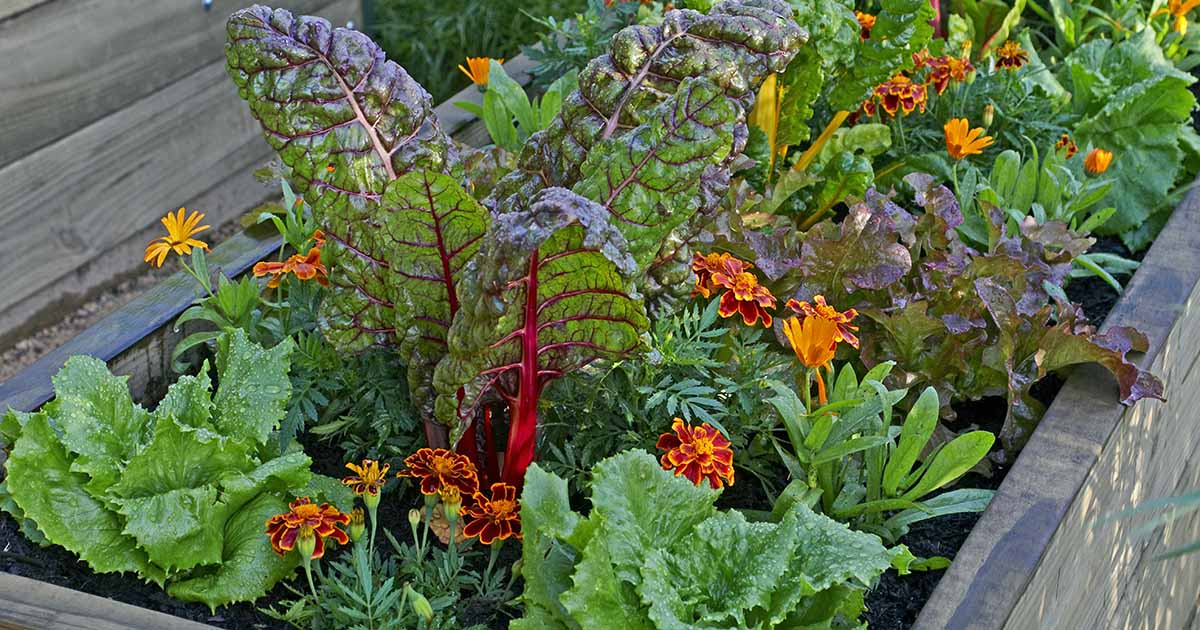
- Image 1: Lavender and tomatoes. Lavender is a good companion plant for tomatoes because it helps to deter pests such as aphids and whiteflies. It also helps to improve the flavor of tomatoes.
- Image 2: Lavender and lettuce. Lavender helps to repel pests from lettuce, such as slugs and snails. It also helps to improve the flavor of lettuce.
- Image 3: Lavender and beans. Lavender helps to attract pollinators to beans, which helps to improve the pollination and yield of beans. It also helps to deter pests such as aphids.

- Image 4: Lavender and carrots. Lavender helps to repel pests such as carrot flies from carrots. It also helps to improve the flavor of carrots.
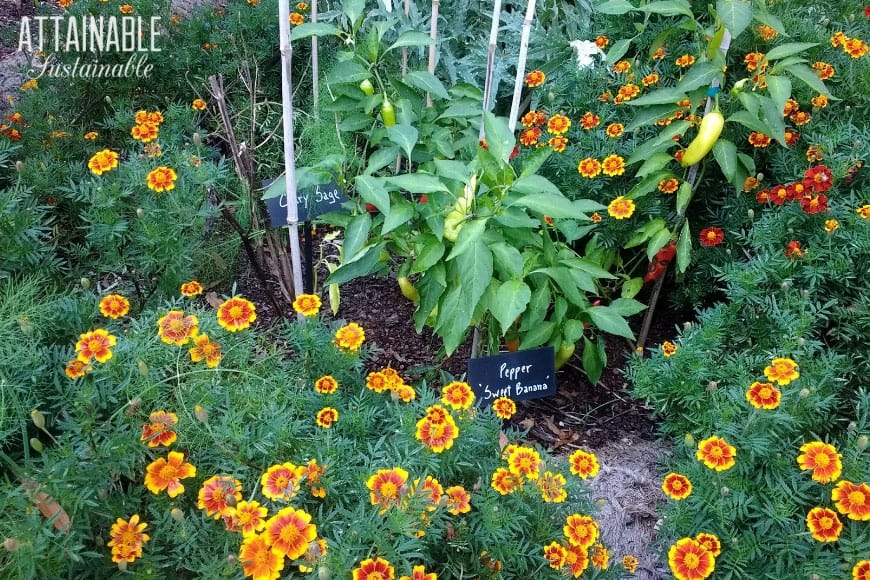
- Image 5: Lavender and squash. Lavender helps to deter pests such as squash bugs and cucumber beetles from squash. It also helps to improve the flavor of squash.
Post a Comment for "Grow A Beautiful And Bountiful Garden With Lavender Companion Vegetable Plants"